84% of Polymarket wallets lose money. What the winners do differently
What on-chain studies say about who profits on Polymarket, and five habits of the traders who do, from position sizing to being the maker.
Read the article →Blog / Case files
Two 2025-2026 cases where suspiciously well-timed bets made headlines. What happened, what is proven and what isn't, and how to avoid being on the other side.
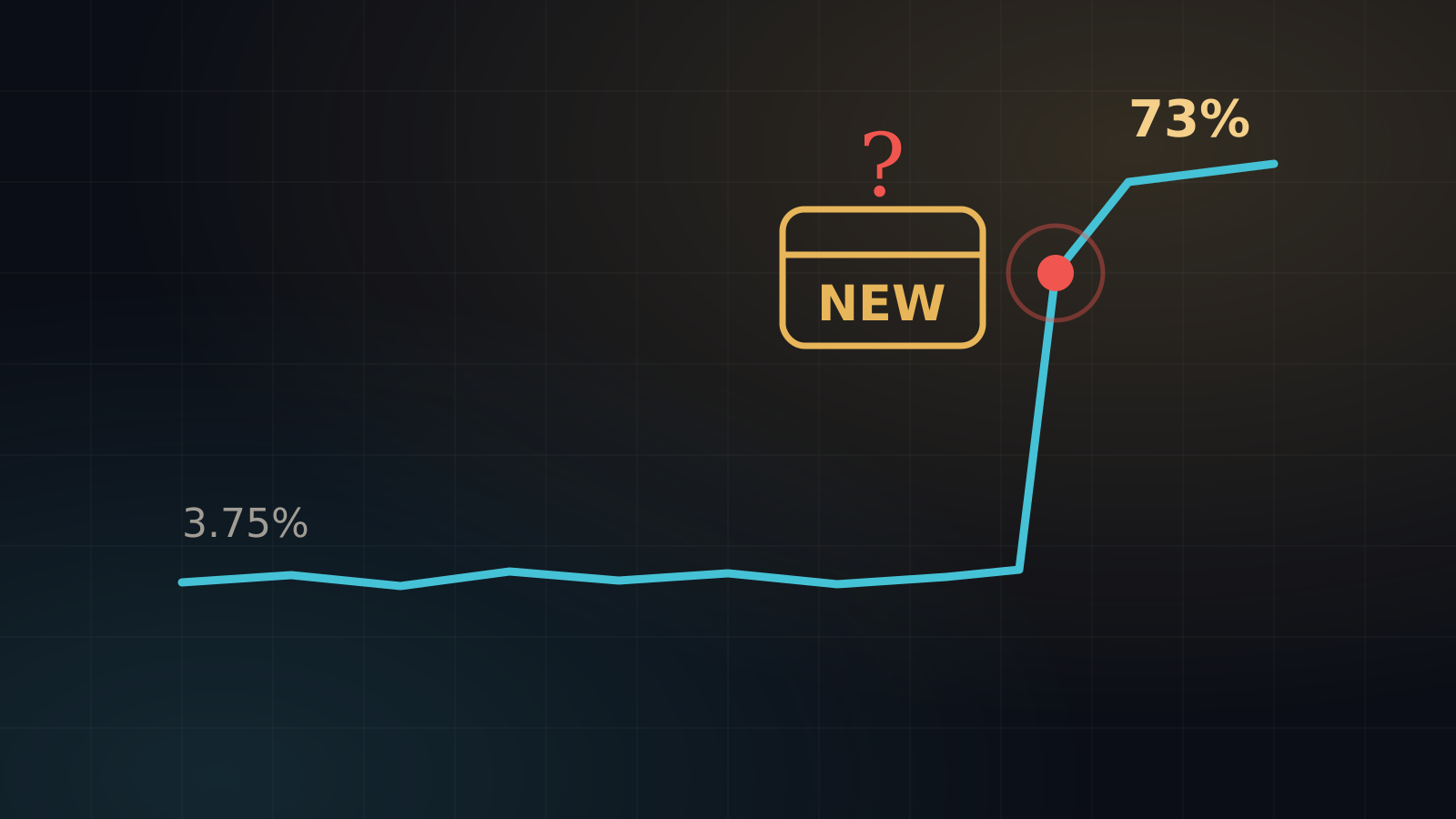
A prediction market price is supposed to sum up what everyone knows. That works well while the information is public and gets uncomfortable when a few people may know the answer early. Two recent cases put this question on the front pages. Prosecutors have since filed charges in one of them, yet neither case has been proven in court. The patterns are still worth understanding.
On Polymarket, María Corina Machado's chances of winning the Nobel Peace Prize traded at a few percent. The night before the announcement her price jumped from 3.75% to nearly 73%, partly on bets from new accounts, at least one of which had no prior betting history. She won. The Norwegian Nobel Institute looked into a possible leak, and its director said it was “highly likely” espionage.
A newly created account put roughly $32,000 into “Maduro out by January 31” while Polymarket priced the odds as low as 5.5%. Within hours, on January 3, US forces captured Maduro, and the account's profit topped $400,000. Days later, Rep. Ritchie Torres introduced a bill barring federal officials and employees from trading such contracts on material nonpublic information. In April 2026 the US Department of Justice charged a US soldier with using classified information about the operation to place the bets. The charges are allegations, and he is presumed innocent unless proven guilty.
Every trade on an exchange has a counterparty. When you sell YES at 8¢ on an event decided behind closed doors, the buyer may simply know more than you do. The habits that protect you are boring:
The law on insider trading in prediction markets is moving fast. Platforms, regulators and lawmakers are all responding, and the rules differ by country. Whatever happens next, trading on genuinely non-public information can be illegal, and trading against it usually loses money.
8 chapters with animated scenes, real sign-up screenshots and real case files, about 40 minutes in all.
Links to Polymarket on this site are referral links: we may receive a share of Polymarket's trading fees, and your fees stay the same.
More from the blog
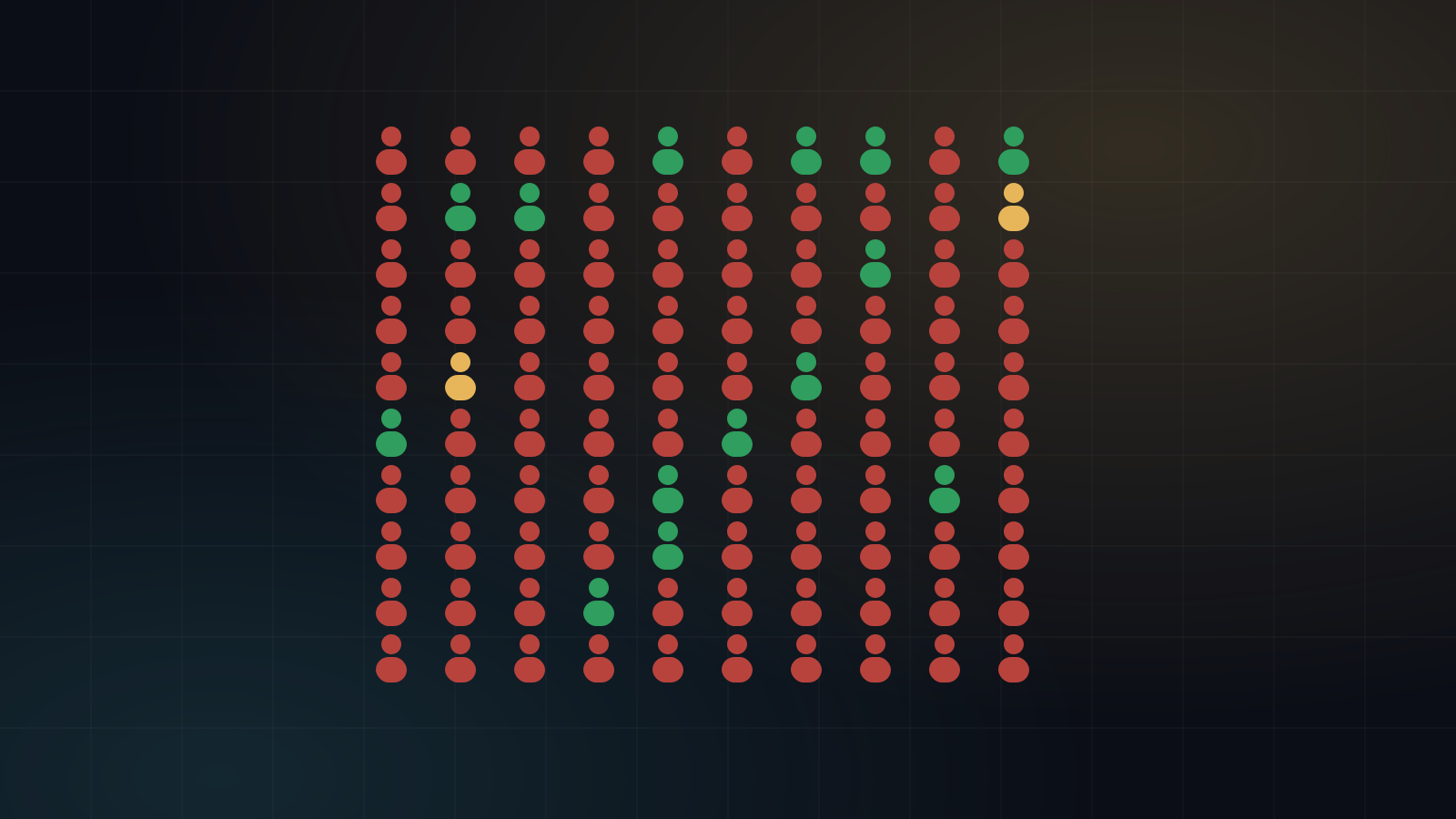
What on-chain studies say about who profits on Polymarket, and five habits of the traders who do, from position sizing to being the maker.
Read the article →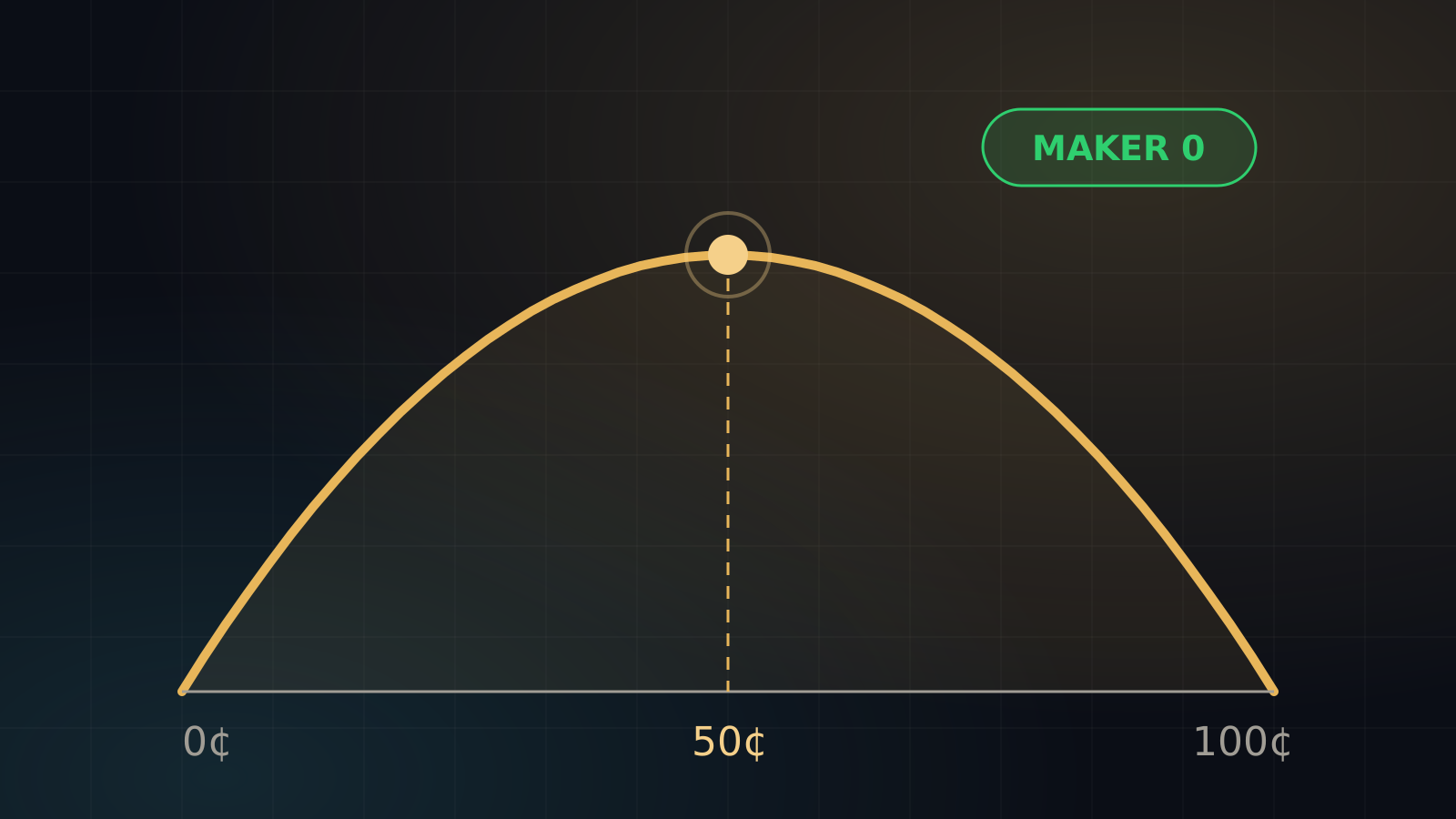
Only takers pay, the fee peaks at 50¢, and makers get rebates. The formula, the rates by category and the habits that keep your costs close to zero.
Read the article →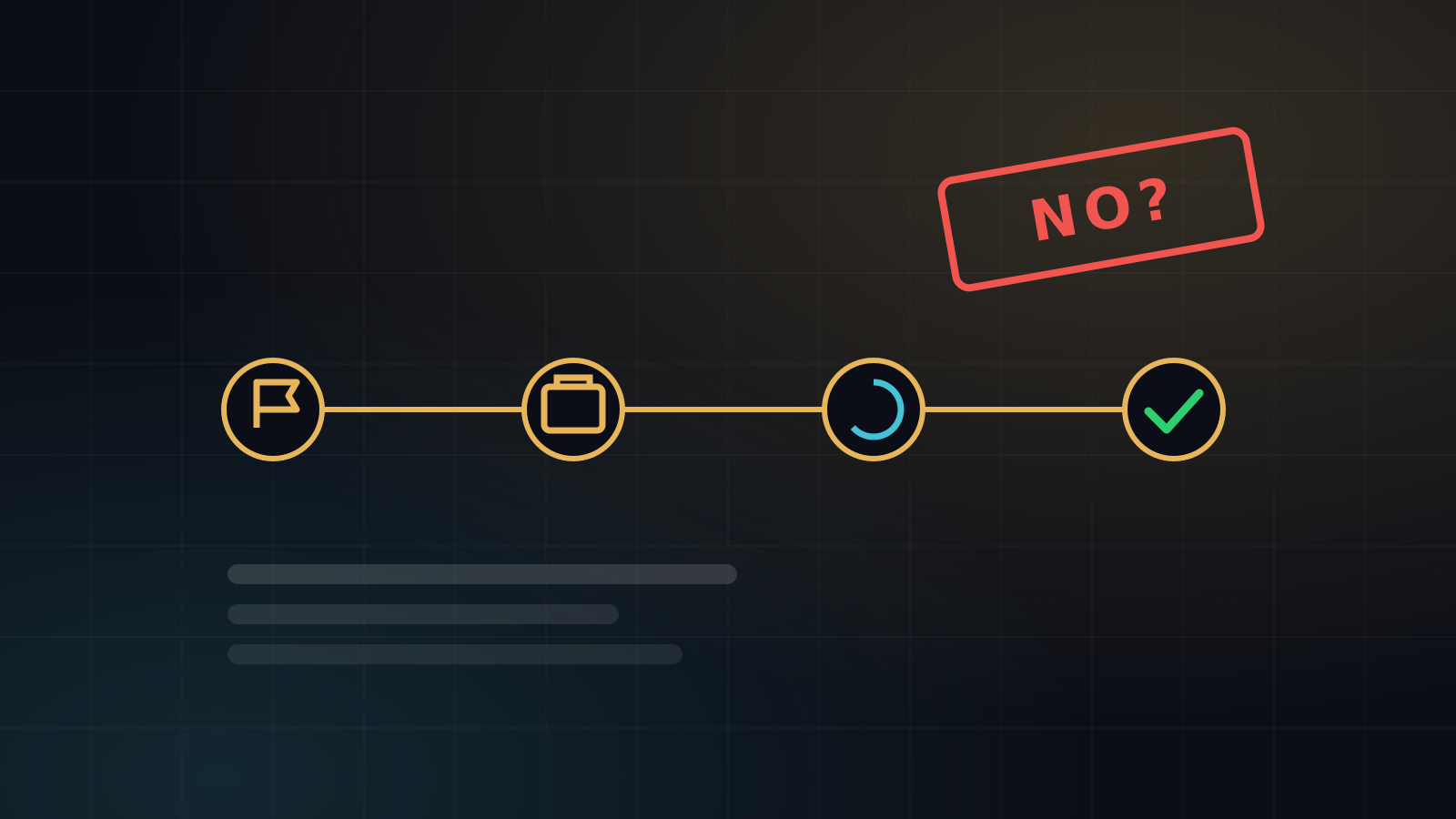
The UMA optimistic oracle step by step, what changed in 2025, and three real disputes where the fine print beat the headlines.
Read the article →