84% of Polymarket wallets lose money. What the winners do differently
What on-chain studies say about who profits on Polymarket, and five habits of the traders who do, from position sizing to being the maker.
Read the article →Blog / Fees
Only takers pay, the fee peaks at 50¢, and makers get rebates. The formula, the rates by category and the habits that keep your costs close to zero.
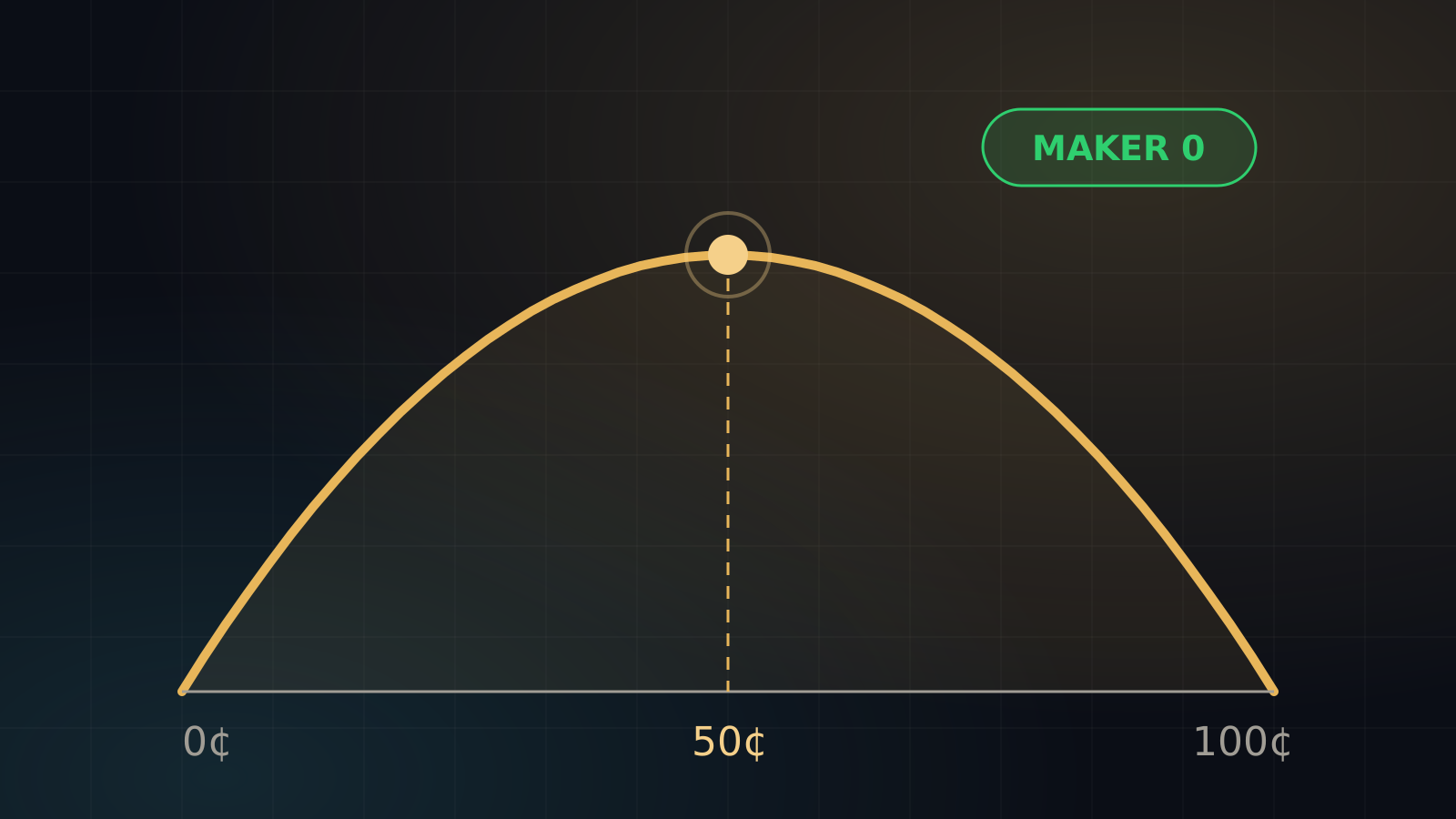
For years Polymarket was famous for charging no trading fees at all. That changed in 2026. Fees arrived in January on the ultra-short 15-minute crypto markets, and today taker fees apply to most categories. The system is simple and predictable, and if you trade the right way, you can avoid paying.
Every trade has two sides. The maker placed a limit order that sat in the order book. The taker filled it, either with a market order or with a limit order priced to execute immediately. On Polymarket only the taker pays a fee. The docs put it plainly: “makers are never charged fees”.
Fees are charged automatically when your order is matched, with no separate bill, so estimate them before you trade. The formula below takes ten seconds.
The fee depends on the number of shares, the category's rate and the price:
fee = shares × rate × price × (1 − price)
The price × (1 − price) part shapes the curve: the fee peaks at 50¢ and shrinks toward 0¢ and $1. Buying 100 shares at 50¢ in a crypto market costs $1.75 in fees. The same 100 shares at 10¢ in a politics market cost about $0.36.
| Category | Taker rate | Fee per 100 shares at 50¢ |
|---|---|---|
| Crypto | 0.07 | $1.75 |
| Sports | 0.05 | $1.25 |
| Economics, Culture, Weather, Other | 0.05 | $1.25 |
| Finance, Politics, Mentions, Tech | 0.04 | $1.00 |
| Geopolitics | 0 | free |
These are the rates in Polymarket's documentation. They change from time to time, and Polymarket also runs temporary promotions. On October 20, 2026 it announced that fees on NBA, politics, economics, weather, finance, culture, mentions and tech markets would be waived through the end of October. Check the current fee page before you trade.
Taker fees fund a maker rebates program: a share of the fees in each category is distributed daily to the traders who provided liquidity. According to the docs, makers receive 20% of taker fees in crypto, 15% in sports and 25% in most other categories. So the same trade can cost you money or pay you, depending on which side of the order book you're on.
On a single trade the fee looks tiny. It starts to matter in three situations:
price × (1 − price) is only 0.0475, so the fee is small. So is the upside, and the risk is still there.Polymarket itself doesn't list a deposit fee: all deposits are converted to pUSD automatically, and the minimum depends on the network (a few dollars on most, more on Ethereum, Bitcoin and Tron). Polymarket charges no fee to withdraw USDC either. Card providers and exchanges can charge their own fees, so a direct USDC transfer is usually the cheapest route.
8 chapters with animated scenes, real sign-up screenshots and real case files, about 40 minutes in all.
Links to Polymarket on this site are referral links: we may receive a share of Polymarket's trading fees, and your fees stay the same.
More from the blog
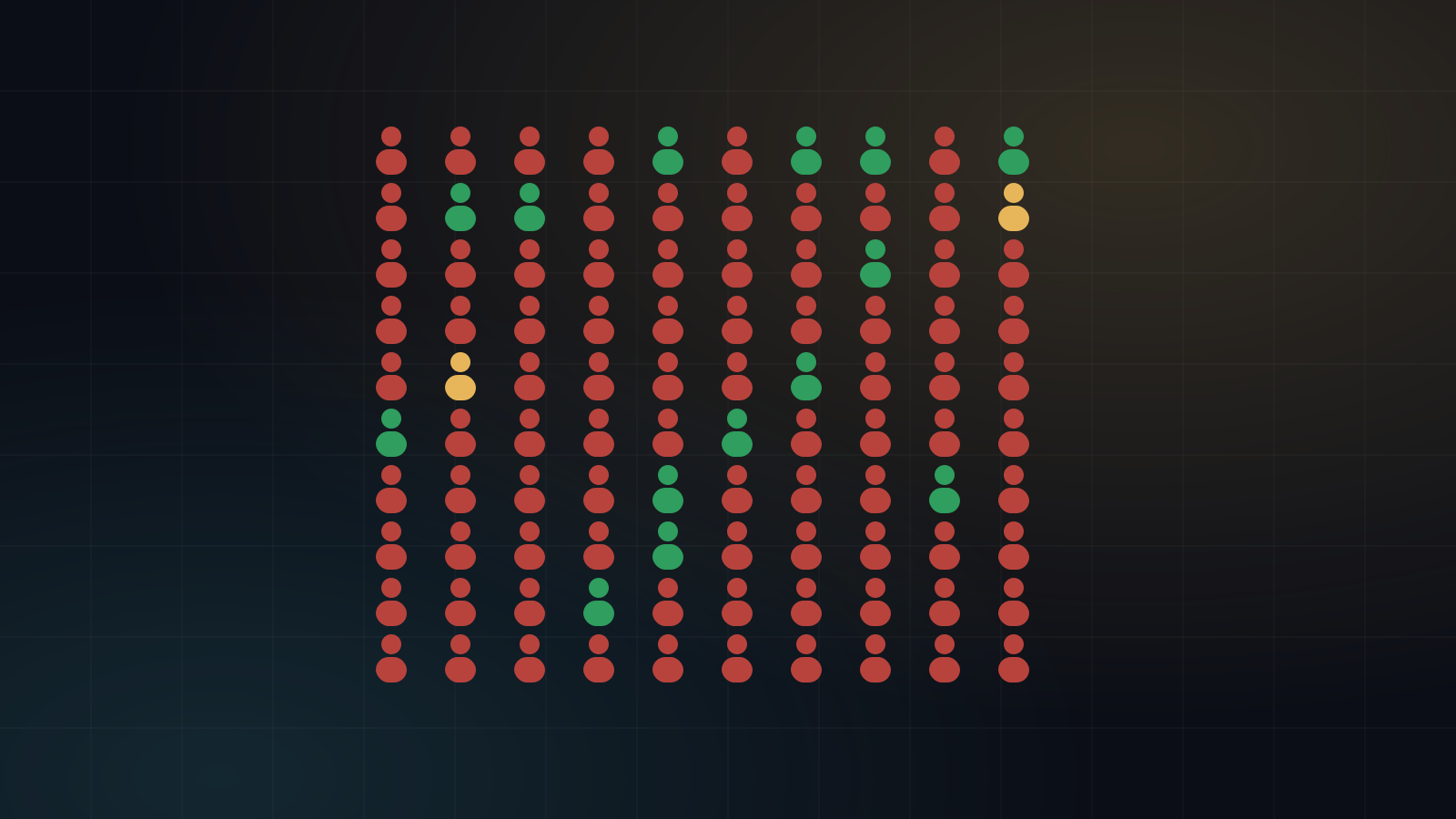
What on-chain studies say about who profits on Polymarket, and five habits of the traders who do, from position sizing to being the maker.
Read the article →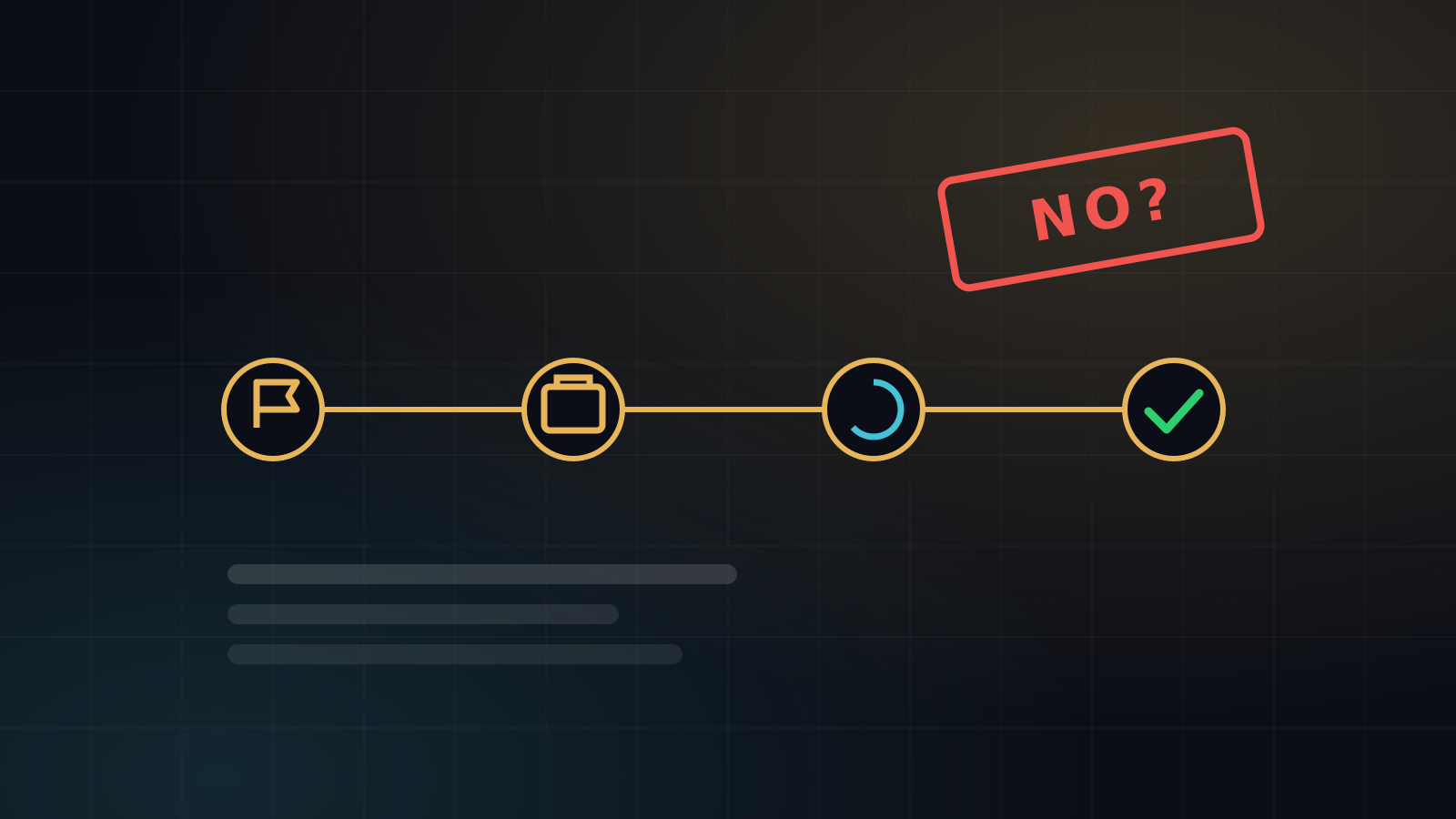
The UMA optimistic oracle step by step, what changed in 2025, and three real disputes where the fine print beat the headlines.
Read the article →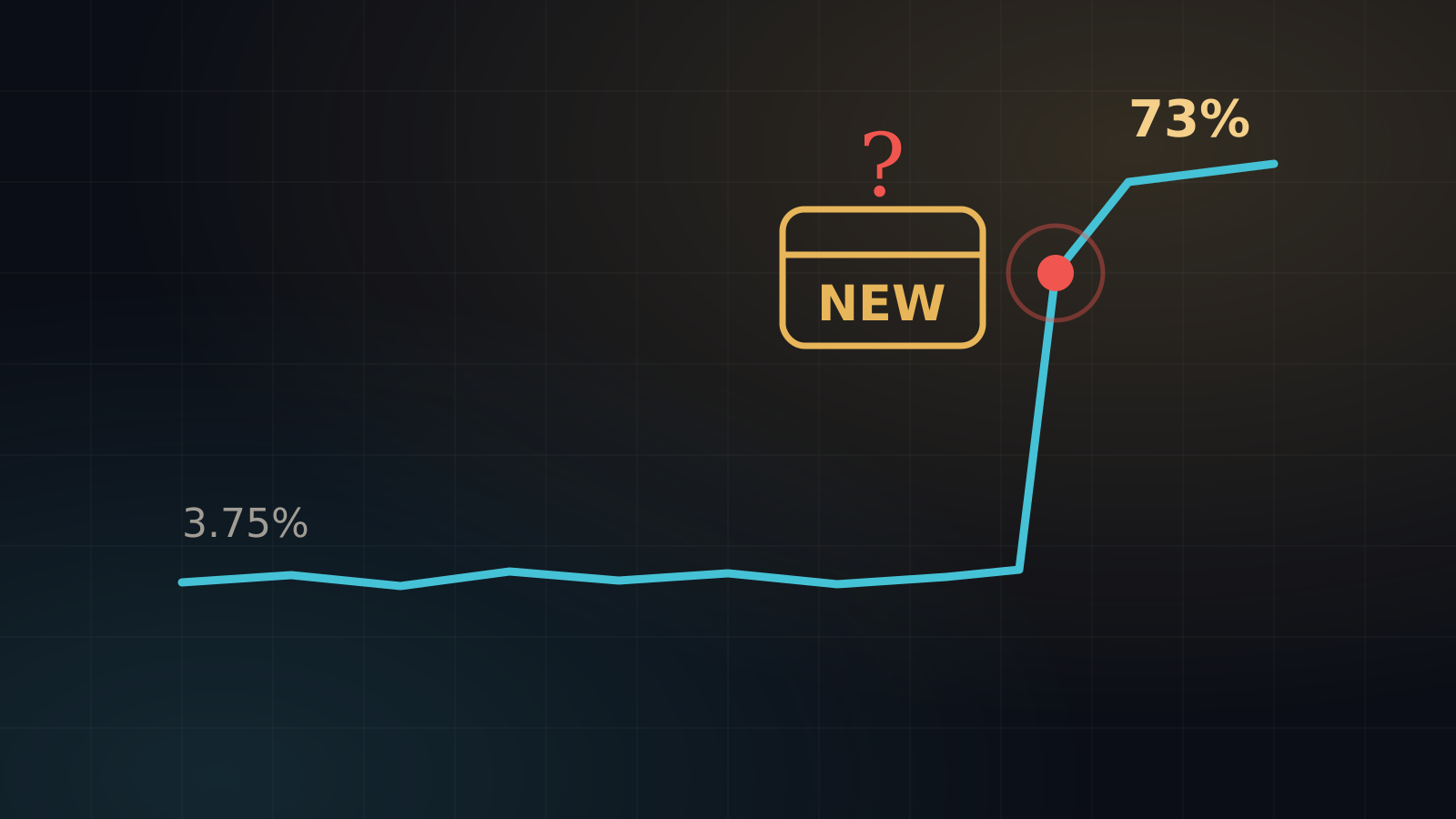
Two 2025-2026 cases where suspiciously well-timed bets made headlines. What happened, what is proven and what isn't, and how to avoid being on the other side.
Read the article →